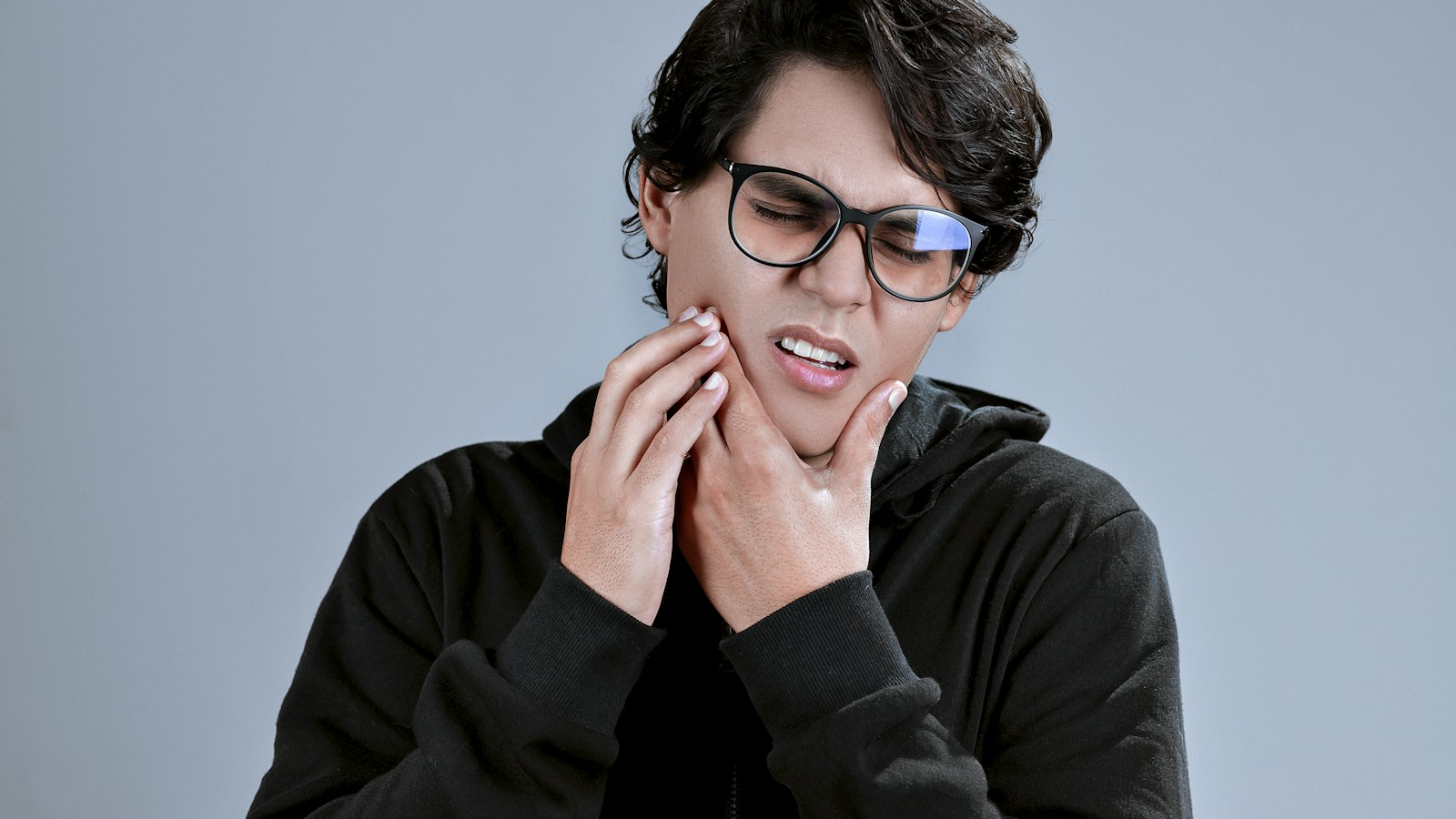
Ear pain, headache or pain when chewing? 4 signs your jaw may be the cause

Do You Know? For patients.
The jaw joint sits just in front of the ear, and the chewing muscles cover the side of the head. When the joint or these muscles are strained, the pain does not always stay in the jaw. Many people first notice it somewhere else. This article goes with the short video below.
Four signs the jaw may be involved
Jaw pain when you open wide, yawn or start to talk, felt in front of the ear or along the jaw.
Headaches at the temples, often worse in the morning or after a day of clenching.
Ear pain or fullness with a normal ear examination. The ear and the jaw joint share nerve supply, so pain from the joint can be felt in the ear.
Pain or tiredness when chewing, especially hard or chewy food.
Why it happens
Clenching or grinding, by day or at night, overloads the chewing muscles.
Stress, poor sleep and long periods of jaw use, such as chewing gum or nail biting, add to the load.
Sometimes the small disc inside the joint shifts, which can cause clicking or catching.
When to get checked
Pain that lasts more than two weeks, or keeps coming back.
The jaw locks or catches, or you cannot open as wide as before.
Your bite feels different, or your teeth are worn, chipped or cracked.
Ear pain without infection: see your doctor first to check the ear, then a dentist for the jaw.
What helps day to day
Soft food for a while and smaller bites.
Lips together, teeth apart, jaw relaxed during the day.
Warm compresses on tired muscles.
If you grind at night, a custom night guard protects the teeth while the muscles settle.
Not sure if you grind? Take the 2-minute self-check
Related: Teeth grinding and jaw pain
This article is general information and not a substitute for an examination.
References
Schiffman E, Ohrbach R, Truelove E, et al. Diagnostic Criteria for Temporomandibular Disorders (DC/TMD) for clinical and research applications. J Oral Facial Pain Headache. 2014;28(1):6-27. doi:10.11607/jop.1151


Comments